
Early in my coaching career, I had a conversation with a clinical psychologist friend that changed how I think about case acceptance. We were discussing how to help patients move forward with the dental care they truly need—not just say "yes," but feel fully committed.
She shared something that stuck with me: there’s a big difference between accepting treatment and agreeing to it.
"Acceptance" can feel passive—or even reluctant. But agreement implies understanding, confidence, and a personal choice. When patients agree to treatment, they’re more likely to feel good about it, show up for their appointment, and complete the care that improves their health.
That conversation shaped what would later become our Case Agreement System. And this month, we’re diving into the power of language, clarity, and trust—and how it can transform your treatment conversations, team accountability, and ultimately, your bottom line.
Insight of the Month: Case Agreement is a Team Sport

Case agreement isn’t just the responsibility of your treatment coordinator or scheduler—it’s a whole team effort. Every clinical and administrative team member plays a role in helping patients feel confident, informed, and excited about moving forward with care.
Dr. Marissa Miller at Discovery Dental embraced this approach by developing her team into true patient advocates.
Together, we created a financial agreement form and trained both administrative and clinical team members to present it. This cross-training made the process smoother, more flexible, and far less dependent on any one person.
When the whole team supports case agreement, patients say “yes” with confidence—and show up ready.
Success Story - Transforming Practices
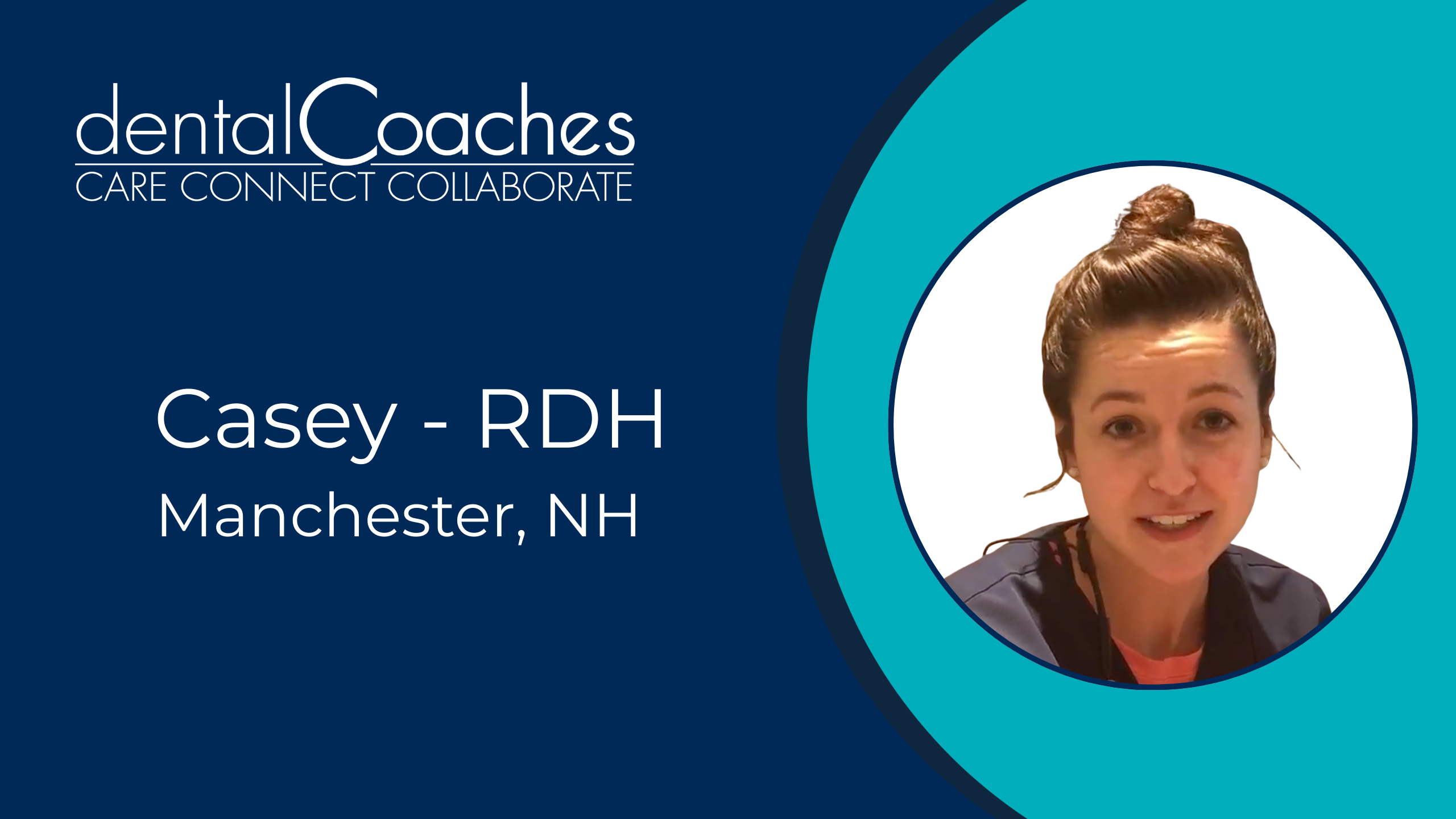
Casey, a hygienist at Mann Family Dental, didn’t learn how to talk about money or treatment planning in hygiene school—but that didn’t stop her from growing into a confident patient advocate.
When we first introduced the financial agreement form, she admitted she was nervous. “Talking about money was new for me,” she said. “At first, I leaned on other team members to help. But now, I take the patient into the room, sit next to them, and it’s just a conversation.”
By stepping outside her comfort zone, Kacey created a more relaxed, open experience for her patients—and a new level of confidence for herself. Click here to hear directly from Kacey about her experience.
This is what team growth looks like in action.
Monthly Tip: Future Pace Your Patients

When I was a dental assistant for my dad, I noticed something powerful in how he talked to patients about their treatment. He would future pace them—helping them imagine the impact of their decision, not just today, but years down the road.My dad loved food—especially going out to eat. So when he had a middle-aged patient at risk of losing teeth, he’d say, “$[UD:FIRST_NAME||]$, what are you going to do when you're older and can’t enjoy a steak? Will you be OK ordering soup while everyone else is digging into their meal?”
That may sound blunt, but it worked.
My psychologist friend later told me: sometimes people need to feel a little discomfort move forward. It's not about scaring them-it's about helping them see the real consequences of inaction.
Try this with your patients: help them visualize the future with and without treatment. You're not just talking teeth-you're talking about their quality of life.
Resource - Phrases to Help Patients Say "Yes"
Want to help patients understand the impact of delaying treatment? Try this analogy:
Losing a tooth is like removing a stone from a wall. The wall might stay up at first—but over time, the surrounding stones start to shift and collapse. The same happens in the mouth: teeth move, the bite shifts, and long-term issues follow.
Practice future pacing with your patients. Simple, visual language like this helps them say “yes” with confidence.
Did you know?
Research shows that between 20% and 50% of patients with chronic illnesses don’t take their medications as prescribed, even when their lives depend on it.
Why? The risk doesn't feel real enough. But, when doctors clearly outline the consequences, compliance rates rise.
In dentistry, the same applies—patients often delay care unless they understand the true cost of waiting. That’s where strong case agreement creates urgency, clarity, and commitment.
This month, focus on helping your patients see the future—not just the treatment. When you paint a clear picture of what happens if care is delayed, you empower them to make confident, informed decisions.
Want help practicing future pacing or finding the right phrases to get more “yes” without pressure? Let’s talk.
Click here to schedule a calland learn how your whole team can become confident patient advocates.
Warmly,
Susan
|
|||
|
|





Responses